
When the world no longer makes sense, philosophy helps us learn how to human.
Learn to question what you take for granted, discover what matters, and experiment with new ways of seeing, thinking and being in the world.
Not philosophy as something you study. Philosophy as something you live.
7 live sessions · Small group of max. 10 · Online · €350
Starts 7 December 2026 · No prior knowledge of philosophy needed.
PhilosophyGym
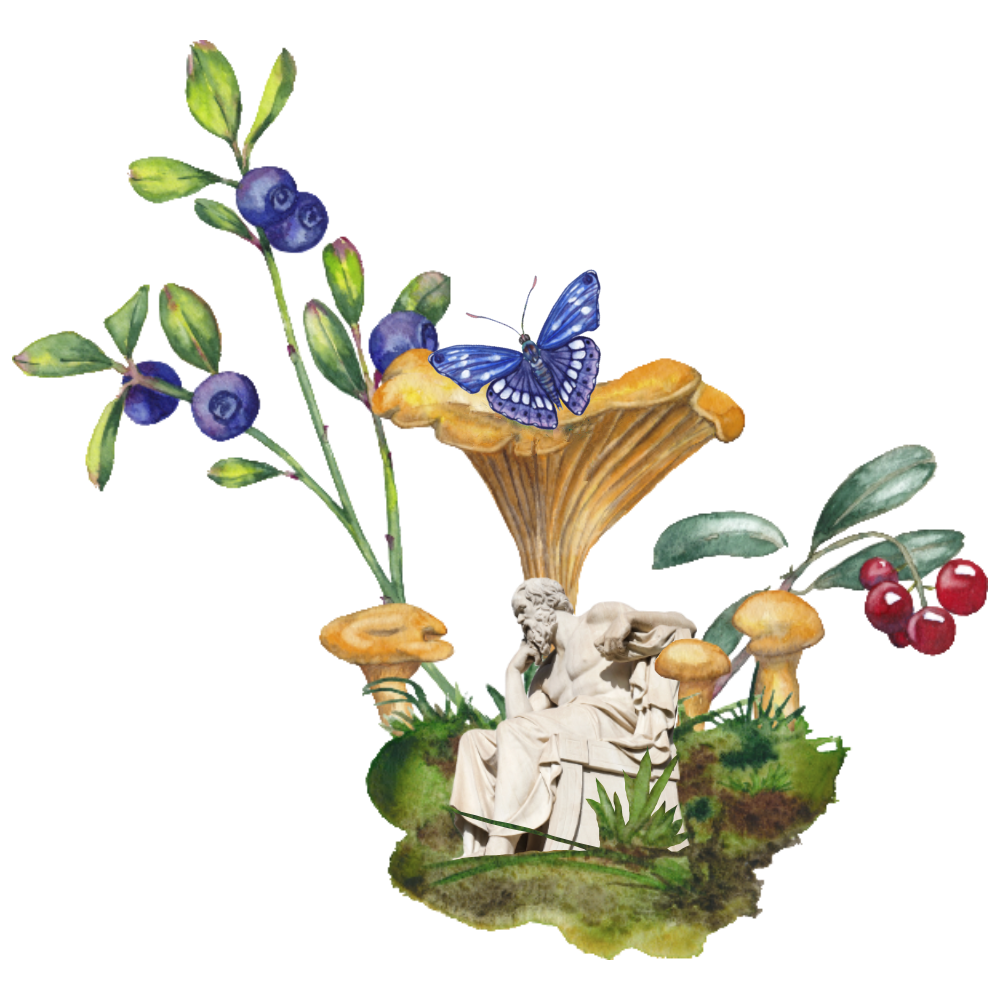
We know more than ever. But do we know how to live?
We live in extraordinary times.
Social, ecological and technological risks are pervasive. We have more information than ever about these issues, and yet, many of us feel increasingly uncertain about what really matters.
The familiar ideas about success, progress and the good life no longer seem quite as convincing. The world is changing faster than we can make sense of it. And somewhere between the demands of everyday life and the challenges facing our planet, we struggle to find the time and space to ask the questions that matter most.
What makes a good life?
What is worth caring about?
What do I really believe—and how much of it have I simply inherited?
How do I want to live in a world that feels increasingly uncertain?
Perhaps you're questioning familiar ways of thinking and living, without quite knowing what might take their place. Or you've spent years reflecting on these questions, but still find yourself struggling to live according to what you've come to believe.
Either way, something seems to be missing.
What if philosophy is exactly what we need right now?
For much of its history, philosophy was more than an intellectual pursuit.
It was a way of life.
For Socrates, philosophy meant examining one's beliefs and assumptions. For the Stoics, it involved daily practices of attention, reflection and action. Across philosophical traditions, the pursuit of wisdom was never simply about accumulating knowledge. But about learning how to human well.
This ancient understanding of philosophy has never been more relevant.
We live in a time of interconnected ecological, technological, political and social crises. But beneath these challenges lies an even more fundamental question: How do we make sense of ourselves and the world, and how should we live together?
Our habitual ways of thinking and living increasingly seem inadequate to the challenges we face.
And when the old answers no longer work, we need information, yes. But more importantly, we need the ability to question our assumptions, make sense of our experiences, discern what matters, and find new ways of responding.
We need to cultivate wisdom.
Not as a collection of timeless truths or a formula for the good life.
But as a living practice of inquiry, reflection and experimentation.
Introducing the PhilosophyGym
A space to practice living well.
Imagine having a dedicated space each week to step outside the noise of everyday life.
To slow down and notice what usually goes unquestioned.
To explore the questions that rarely have room in our busy lives.
To challenge familiar assumptions, discover different perspectives and experiment with new ways of being.
And to do so alongside a small group of curious people who are equally willing to question themselves and the world.
This is the PhilosophyGym.
A seven-week philosophical training that brings philosophy out of books and into everyday life.
Together, we'll explore six core, research based practices, drawing on philosophical traditions and the experiences we bring from our own lives.
The PhilosophyGym is about becoming more capable of living a meaningful, deep, deliberate and examined life.
The seven sessions
Each week introduces a new practice of wisdom, combines philosophical inquiry with shared reflection, and invites you to explore the practice through an experiment in your own life.
Week 1 — 7 December 2026
Attentive Presence: Learning to Notice
How much of our lives do we actually pay attention to?
Meet the group and explore how attention shapes your experience and what becomes visible when you slow down and begin noticing the familiar with fresh eyes. Introduction to our life as lab methodology.
Week 2 — 14 December 2026
Unknowing Certainty: Learning to Live Without Knowing
What if not knowing were the beginning of wisdom rather than a problem to overcome?
Examine the beliefs and certainties you take for granted. Practice remaining curious in the face of uncertainty and opening yourself to perspectives you might otherwise dismiss.
Winter break — time to let your experiments unfold.
Week 3 — 21 December 2026
Deconstructing & Reconstructing: Learning to See Otherwise
What if the world is not quite as you think it is?
Explore how inherited stories, cultural assumptions and personal experiences shape your understanding of yourself and the world. Experiment with different ways of seeing what you thought you already knew.
Week 4 — 11 January 2027
Living Values: From What We Believe to How We Live
What is genuinely worth caring about?
Explore the values that orient your life, examine where your everyday choices align or conflict with them, and experiment with bringing what matters more fully into how you live.
Week 5 — 18 January 2027
Transgression: Learning to Experiment Beyond the Given
What becomes possible when we question how things are supposed to be?
Identify assumptions, social convention or habitual patterns that shape your life. Experiment with stepping beyond it, and observe what that reveals about yourself and the possibilities around you.
Week 6 — 25 January 2027
Integrate & Iterate: Learning to Change Your Practice
How does philosophical insight become lasting change?
Reflect on your experiments and discoveries. Explore how change emerges through repeated cycles of inquiry, experimentation and adaptation, and begin developing your own sustainable philosophical practice.
Week 7 — 1 February 2027
The Philosophical Life: Making Wisdom an Ongoing Practice
How might philosophy become part of the way you live?
And how might it influence the social, ecological and technological challenges of our times. In this session we become more concrete about the impact this training might have on the outside world.
Who this is for
The PhilosophyGym is for curious minds who want to live more deeply, deliberately and wisely.
You might feel drawn to this course if:
You sense that familiar ideas about success, happiness or the good life no longer quite work for you.
You feel overwhelmed by the speed, complexity or superficiality of your daily life and long for more depth.
You want to make sense of yourself and the world rather than simply adopting other people's answers.
You enjoy exploring philosophical questions but wish those explorations had a more tangible influence on how you live.
You care deeply about the world and wonder how to respond to its challenges through your own everyday life.
You long for thoughtful, meaningful conversations with people who are willing to question themselves.
You're ready to approach life with curiosity, openness and a willingness to experiment.
You don't need a philosophy degree, a particular worldview or any prior philosophical knowledge.
Details
Dates: Mondays, 7 December 2026 – 1 February 2027, with a winter break after the second session.
Time: From 6pm CET; sessions last 90 minutes.
Format: Seven live online group sessions.
Group size: Maximum ten participants.
Between sessions: Approximately 30–60 minutes for reflection, reading and guided exercises, alongside experiments integrated into your everyday life.
Investment: €350 (if money is an issue, please reach out to us).
The fee includes all seven sessions, workbooks, reading materials and access to the private cohort space.
About
your
facilitators

Jessica Böhme, PhD
Founder & DirectorJes is a philosopher, professor and transformation researcher exploring the relationship between how we understand the world and how we live within it.
Her work brings together philosophy as a way of life, research on personal and societal transformation, and practical approaches to experimenting with change.
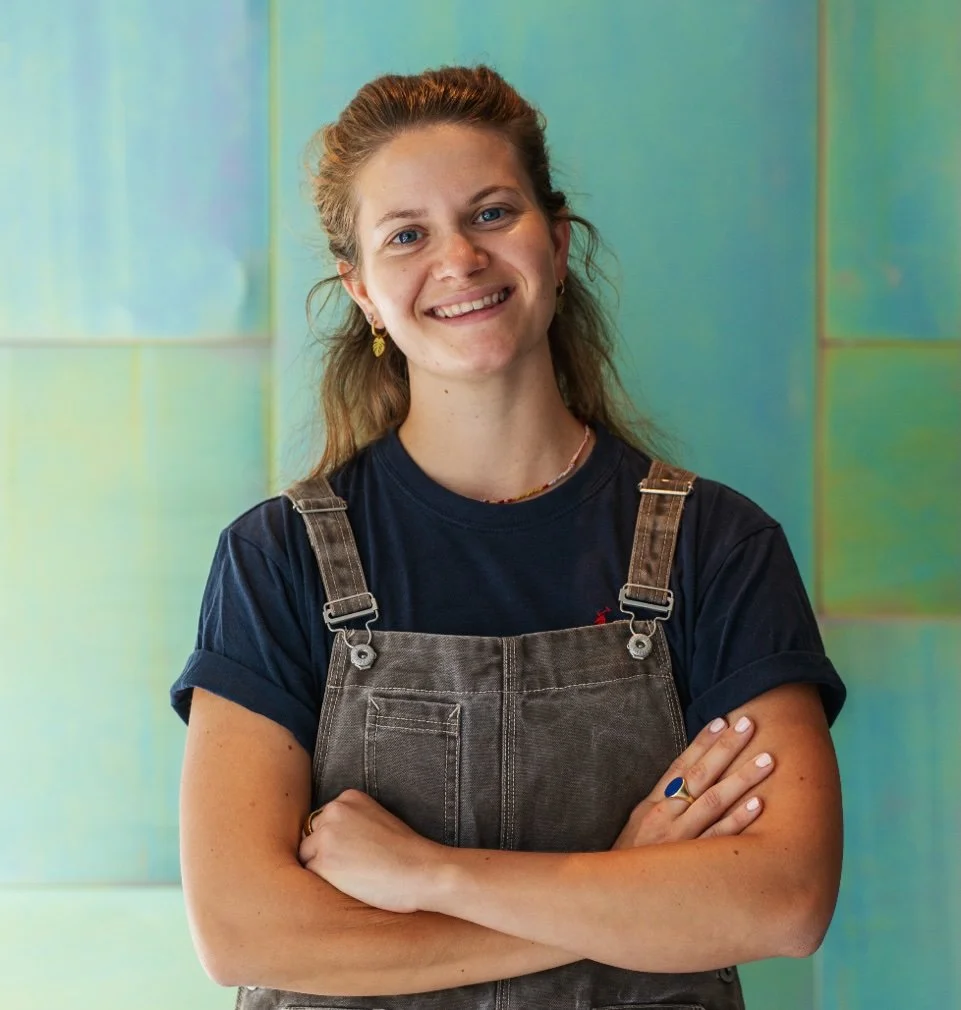
Leonie Trutschler
Head of PracticesLeonie is a student of philosophy and ethics concerned with how to tumble philosophy out of its armchair and into moving bodies. She co-facilitates the PhilosophyGym, supporting participants in philosophical inquiry, shared reflection and everyday experimentation.